Planning a trip and unsure where to begin? This southwest germany travel guide has your answer: pair the Black Forest or Lake Constance with a city base, then link them by train and bus.
| Item | Value |
|---|---|
| Triberg waterfalls, total drop | 163 m |
| Ulm cathedral tower, height | over 161 m |
| Feldberg, prepared ski slopes | 50 km |
| Maulbronn Monastery Complex, dates back to | mid-12th century |
| Snow on the Black Forest heights | January to late February |
These figures come from the DJH Youth Hostels page on Baden-Württemberg and the Lonely Planet preview of Stuttgart and the Black Forest. They can change, so check the source before you rely on them.
What makes southwest Germany worth a trip?
Baden-Württemberg lies in the south-west of Germany, with Stuttgart as its regional capital. The Come to Germany tourism page describes it as a place where modern industry meets outstanding historical, cultural and scenic diversity.
That mix makes planning easier than it looks, because the regions feel distinct from each other. The same page says the state has something for everyone, and gives these examples:
- a holiday in the Swabian Alb
- a day trip to the castles and palaces of the Palatinate
- walking in the Odenwald forest
- a wine tour through the Heilbronn-Franconia region
- sightseeing in the regional capital of Stuttgart
The Black Forest and Lake Constance are already famous far beyond Germany’s borders, according to that page. Most first visits are built around these two, with a city added for contrast.
Lonely Planet sums the region up with one word: inventive. Its preview chapter credits Baden-Würtemberg with relativity (Einstein), DNA (Miescher) and the astronomical telescope (Kepler), and says Bosch invented the spark plug and Gottlieb Daimler the gas engine here.
The sections below move from the forest in the west to the lake in the south, then to cities, food and practical planning. Each section points to a deeper page, and the baden-wuerttemberg guide covers the wider state if you want background first.
Black Forest: forest drives, waterfalls and spa towns
Lonely Planet describes the Schwarzwald, as the Black Forest is called in German, as looking every inch the Grimm fairy-tale blueprint. Hills rise sharply and wooded above church steeples, looming over half-timbered villages and tightly woven valleys. You can read the Lonely Planet text for the full description.
The Come to Germany regions page lists powdery pistes in winter, blossom-laden fruit trees in spring, refreshing lakes in summer and a blaze of colour in autumn. It also calls the area a year-round destination. That means you do not have to wait for one perfect month to go.
The Black Forest High Street, or Schwarzwaldhochstrasse, is described by DJH as a theme route rather than an Autobahn. It cuts a path from Baden-Baden to Freudenstadt, and it suits drivers who like viewpoints more than speed. Public transport is slower here, so a car or a guided stop-over plan can help.
At Triberg, the Gutach River feeds seven-tiered falls that drop a total of 163 m, and the DJH page calls them Germany’s highest waterfalls. The trail is accessible all year round, and the falls are illuminated after dark.
Not far from the Titisee and Schluchsee lakes you reach the Feldberg, the highest mountain in the Black Forest. In winter DJH reports 50 km of prepared slopes, and in summer a cable car rides up to Feldberg Tower, as the same page explains.
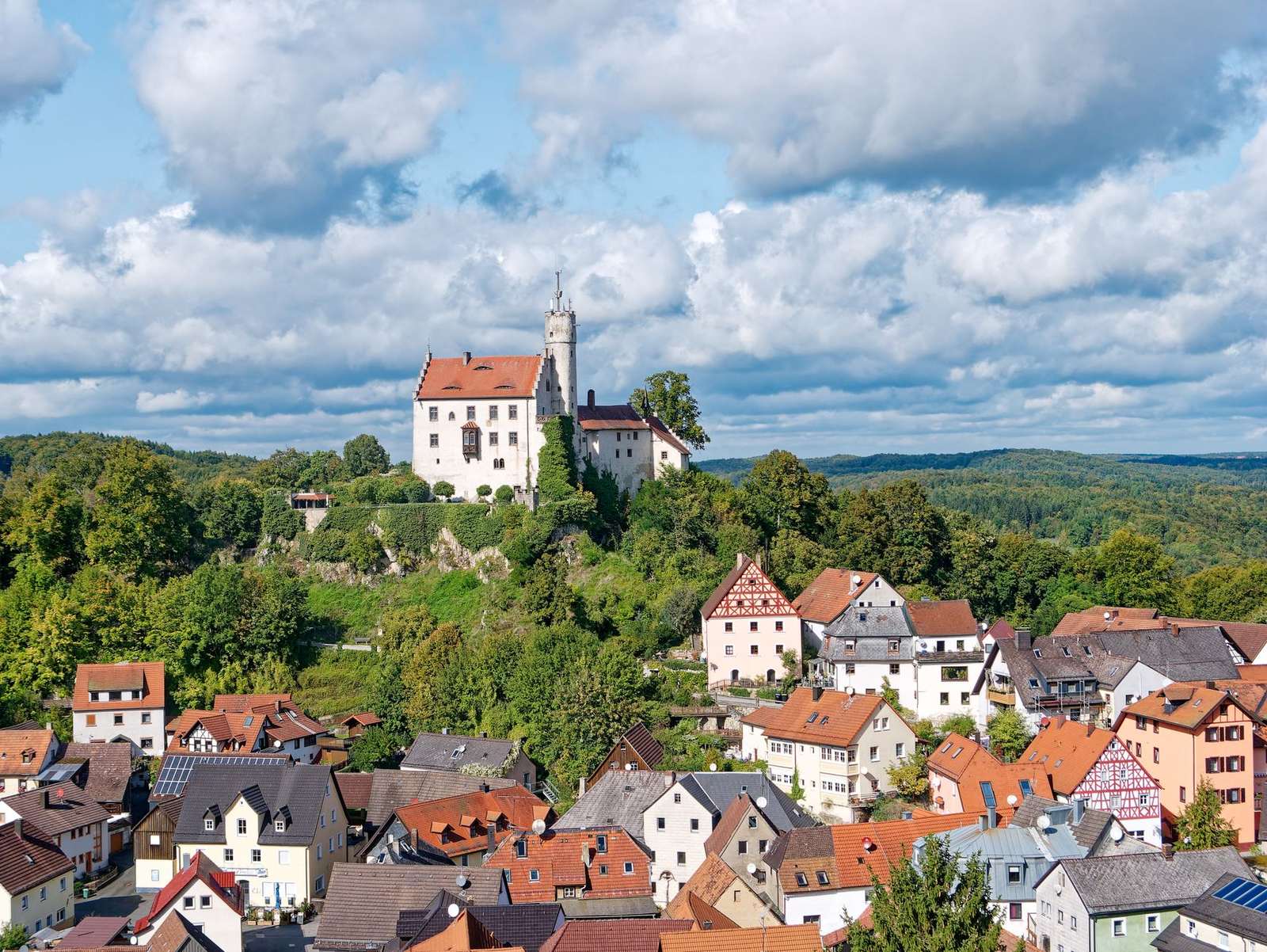
If the weather turns, the Vogtsbauernhof open-air museum sits between Hausach and Gutach, at the midpoint of the Black Forest. DJH describes it as a way to experience the region’s singular facets in one tidy package. It makes a sensible rainy-day stop for anyone driving through.
The Maulbronn Monastery Complex in the Enz district is another worthwhile detour. The DJH page calls it a monumental UNESCO World Heritage Site, and its age is given in the summary table at the top. Come to Germany also lists it among its highlights for the state.
Culture-minded visitors can build a relaxed day around Maulbronn or the Vogtsbauernhof, since both are named as worthwhile stops by the tourism sources. Neither needs a packed timetable. A slow walk, a look at the buildings and a coffee break make a satisfying outing.
Spa lovers should know that Come to Germany says the Black Forest boasts the highest concentration of spas, health resorts and hotels with beauty and fitness facilities in Germany. Baden-Baden is the best known, famous for its spa and casino, with a festival hall, parks and gardens and horse racing listed among its highlights. Lonely Planet adds thermal waters and art nouveau grandeur, and the baden-baden spa page goes into the bathing side in more detail.
Families may know the region for Europa-Park in Rust, which the regions page calls Germany’s biggest theme park. It is a clear contrast to the quiet valleys and works as a full day out.
Choosing a base matters more than ticking off every stop. Regional journeys in the forest can take a while, so a base in or near the place you most want to see saves the most time. The list below matches common interests to the places described above.
- Hiking and cycling: Lonely Planet’s summer ideas include cool forest hikes and riverside bike rides, so look for a village base with trails close by.
- Spa and relaxation: Baden-Baden is the obvious choice, with its Caracalla spa and parks and gardens.
- Winter sport: the Feldberg area is what DJH presents as a skiing paradise.
- Family days out: Europa-Park in Rust is the headline attraction for children and teenagers.
- Culture and history: Maulbronn and the Vogtsbauernhof open-air museum suit slower, curiosity-led days.
Weather should shape the daily plan as much as the map does. The Triberg trail is accessible all year round and the falls are illuminated after dark, so the site works as an evening walk as well as a daytime outing. On a wet day, a spa visit in Baden-Baden can replace a long hike.
The Feldberg works in winter and summer, with prepared slopes in the cold months and a cable car to the tower in the warm ones. Because lifts and trails depend on the weather and the calendar, check operating details with the operators before you set out. The sources used here do not list opening times, so treat any schedule as something to confirm locally.
Lonely Planet counts black forest gateau and cuckoo clocks among the region’s icons, which makes them natural things to taste or buy. Treat them as pleasant extras rather than a reason to rearrange your route. A good meal after a hike usually beats a long detour for a souvenir.
Keep the schedule loose and the number of stops modest. A full morning at the waterfalls and an afternoon walk give you a truer feel for the forest than a checklist of viewpoints. Leave an evening free for a spa, a long dinner or the illuminated falls.
Travellers with limited time can still get a rounded picture of the region. Combine a scenic drive on the High Street, a stop at the waterfalls and a spa evening, and you have covered landscape, nature and relaxation without hurrying. Anyone with extra days can add the open-air museum, the monastery complex or a day at the theme park.
Finally, remember that every description here comes from tourism sources, so it highlights the appealing side of each place. Read recent visitor information, check seasonal access and be ready to change plans if the weather turns. Flexibility is the best piece of equipment for the Black Forest.
Freiburg and Tübingen are named on the same page as charming university towns. DJH notes the medieval flair of Freiburg’s city centre, and the freiburg im breisgau travel page covers the city as a possible base. For the whole area in one place, the black forest travel guide goes further than this overview.
Lake Constance and the quieter regions
Lake Constance gleams against the panoramic backdrop of the Alps, according to Come to Germany, which counts it among the large German lakes. DJH calls it the “swabian sea”, a fitting name if you plan to soak up the sun. The lake constance travel page covers it in detail.
Well-known attractions named by the tourism board include:
- the flower island of Mainau
- the island of Reichenau, described as a UNESCO world heritage site
- the town of Constance
- the Zeppelin museum
- prehistoric buildings on stilts
The same regions page adds that more and more people come for sports and fitness or simply to savour the tranquillity of the villages. That is useful if you want a slower rhythm after a busy city stop.
Constance itself is described by DJH as the largest city at the lake, inviting visitors to stroll through medieval alleys. Friedrichshafen has the Zeppelin museum, and Ravensburg has the Spieleland amusement park, both in the list of highlights on the Come to Germany state page.
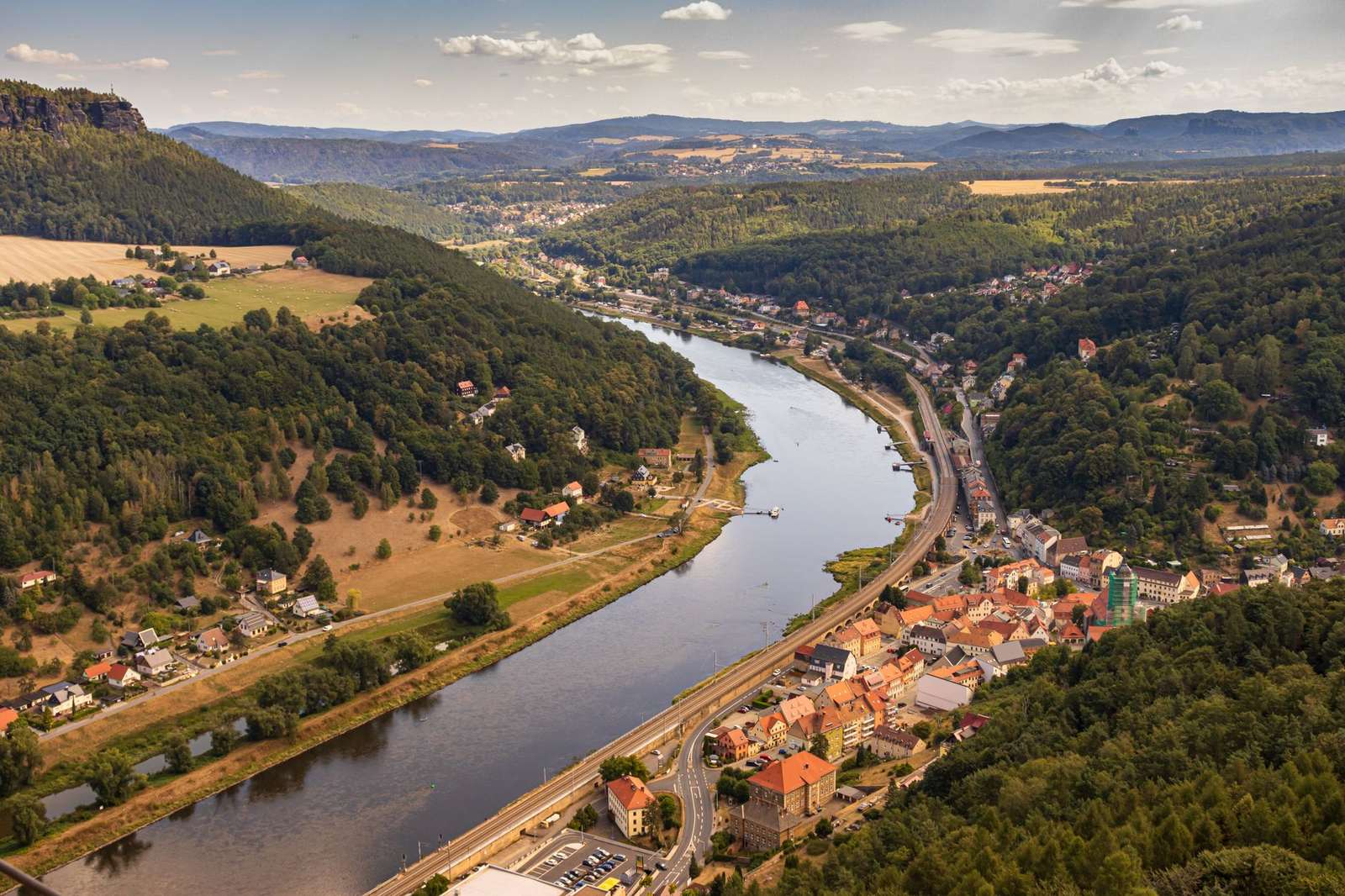
Lonely Planet lists splashy fun on the lake among its summer ideas. It also warns that long-distance trips, for instance Freiburg to Konstanz, may involve several changes. Treat the Black Forest and the lake as separate bases rather than a quick hop.
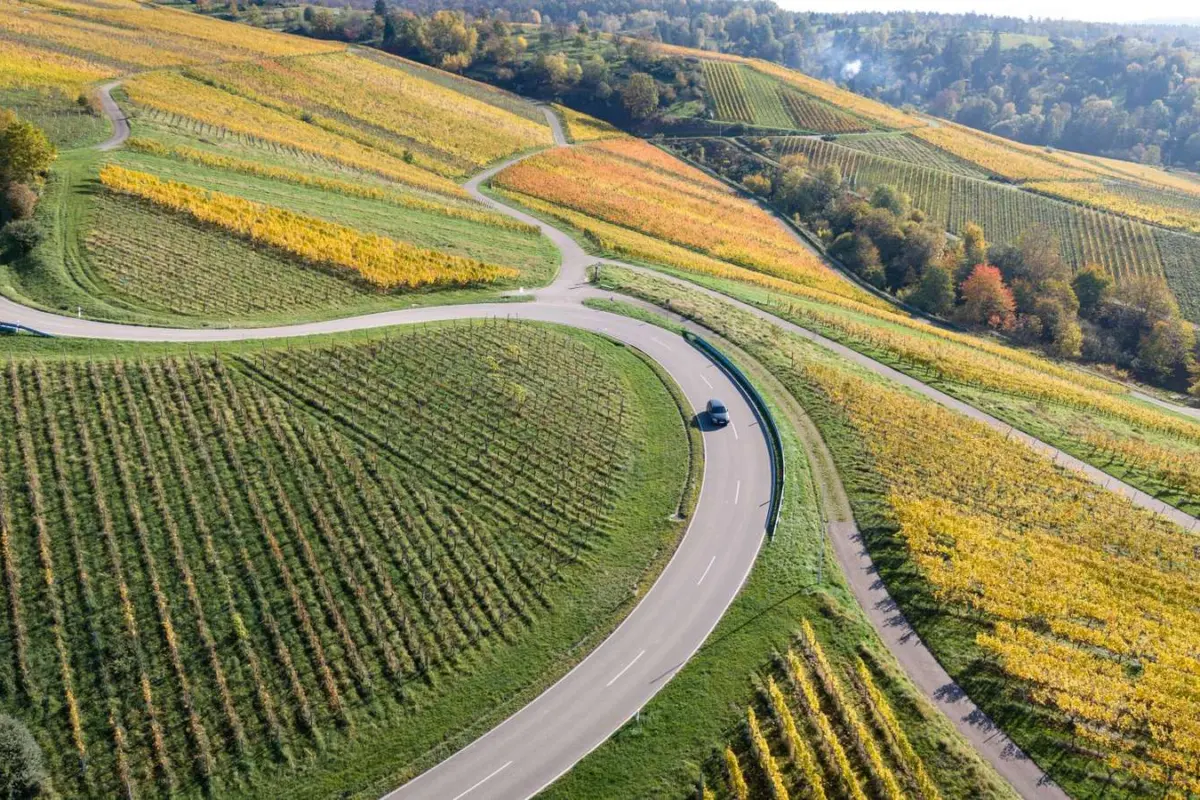
Away from the big names, the rolling hills of the Neckar-Hohenlohe-Swabian Forest area between the Kocher and Jagst rivers are carpeted with vineyards, orchards and forests. Come to Germany describes ancient towns of half-timbered houses and a host of castles and palaces there. It adds that Goethe’s play about Götz von Berlichingen may be on the programme of the Jagsthausen Castle Festival.
These quieter regions suit travellers who already know the headline sights. They also pair well with a wine tour, which the tourism board mentions for the Heilbronn-Franconia region.
Cities and university towns worth a stop
Come to Germany says Heidelberg tops the list of well-known cities, with Stuttgart, Freiburg and Tübingen close behind. It also names Aalen, Ravensburg, Ulm and Ludwigsburg as attractive towns with old quarters and quaint alleyways. A city stop is a good way to balance days in the forest or on the water.
For Heidelberg, the tourism board highlights the old quarter and the castle, and DJH adds that the first university in Germany was founded here. The heidelberg castle visit page explains what to expect on site.
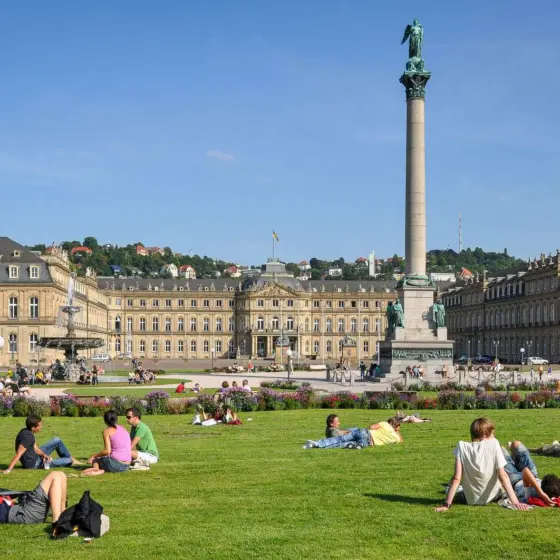
Stuttgart is the state capital, and Come to Germany lists the State Opera House, the State Gallery, musicals, the Stuttgart Beer Festival, the Daimler-Benz and Porsche car museums and botanical gardens. DJH adds the football club VfB Stuttgart and the Cannstatter Wasen Volksfest. Read things to do in stuttgart to build a plan around those highlights.
Tübingen is described by DJH as a city on the river Neckar appreciated by Schiller, and a punting trip there makes you feel like being in Venice. Lonely Planet pictures it as postcard-pretty and compares its mood to living it up Goethe-style. It is a gentle contrast to the larger cities.
Ulm is where Lonely Planet places Einstein’s birthplace, crowned by the world’s tallest cathedral steeple. DJH says the Ulm cathedral tower is the highest church tower in the world at over 161 m. Both sources frame it as the city’s signature sight.
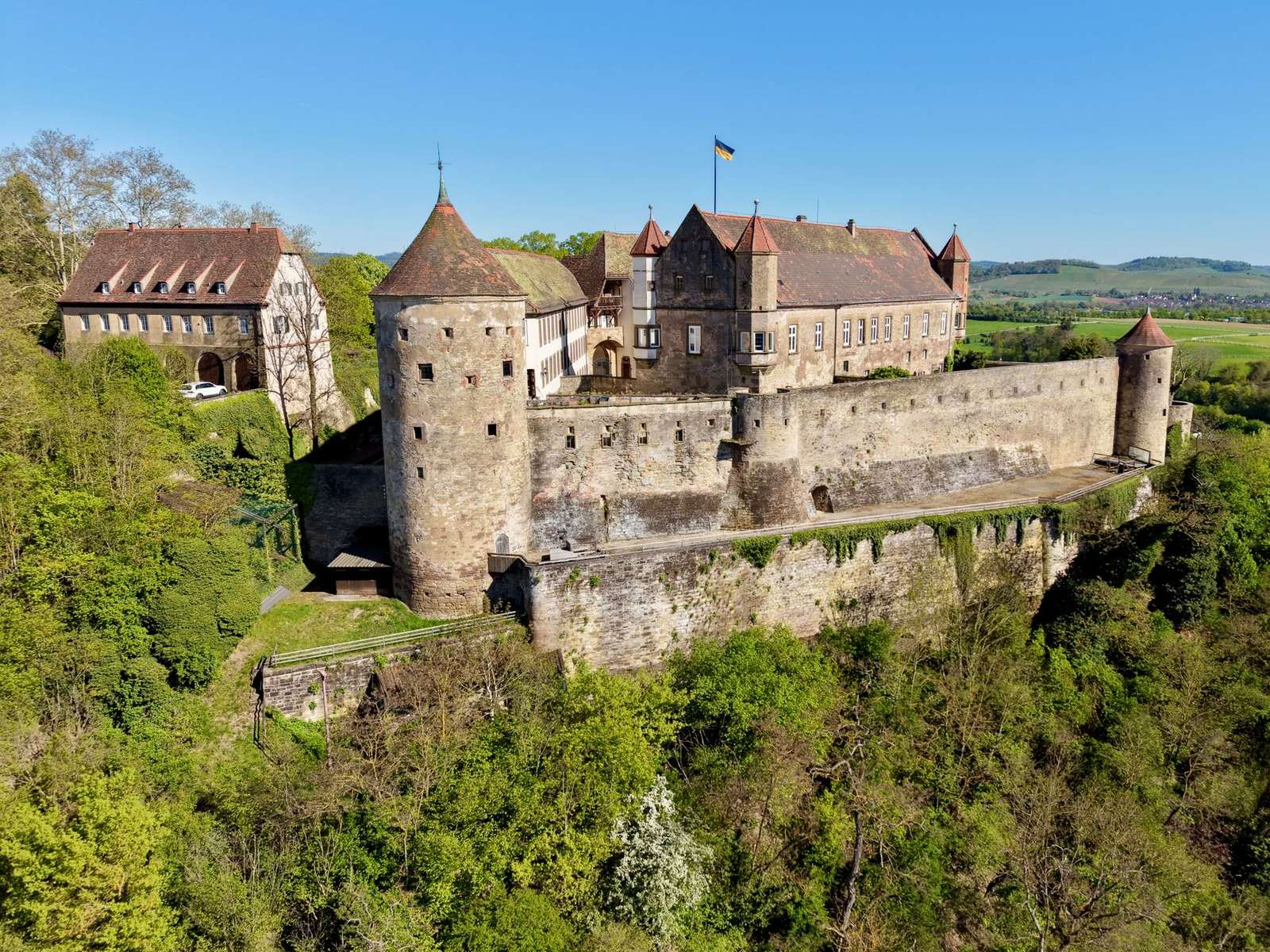
DJH names more towns that reward a short visit:
- Karlsruhe, a former margravial city with a baroque feeling of life
- Pforzheim, the place to go if you are interested in jewellery and clocks
- Schwäbisch Hall, with its medieval city centre
- Heilbronn, which already inspired poets like Kleist
- Mannheim, the city of squares
- Weinheim, the twin-castle town
Not every town needs a full day. Pick a few that match your interests, such as baroque architecture, castles or museums, and fit them around your main base.
What to eat and drink along the way
The tourism board calls Baden-Württemberg a haven of fine food, with top-class restaurants and excellent local specialities made from basic, hearty fare. Three dishes are named as famous:
- Black Forest gateau
- Maultaschen
- Spätzle pasta dishes
DJH links Stuttgart with Swabian cuisine such as Spätzle and with wine. Lonely Planet adds cuckoo clocks and the pretzel, which it calls the ultimate beer food, to its list of regional icons. The swabian food page explains the dishes and how they are served.
Wine fits naturally into a trip. Besides the Heilbronn-Franconia wine tour, Come to Germany mentions that the Neckar-Hohenlohe area is carpeted with vineyards, so a tasting stop works well between sights.
Menus can be a hurdle if you do not read German. Learning a few food words will pay off in smaller inns, and the german language guide is a practical place to start.
When to go and how to get around
Lonely Planet gives a clear seasonal outline in its preview chapter:
- Winter: snow dusts the heights from January to late February, and pre-Lenten Fasnacht brings carnival to towns and villages.
- Summer: cool forest hikes, riverside bike rides, splashy fun on Lake Constance and open-air festivals.
- Autumn: from late September to October the golden days suit rambling in woods, mushrooming and staying in Black Forest farmhouses.
Spring is not covered in that summary, but the Come to Germany regions page mentions blossom-laden fruit trees at that time of year. Your choice depends on whether you prefer snow, water or colour.
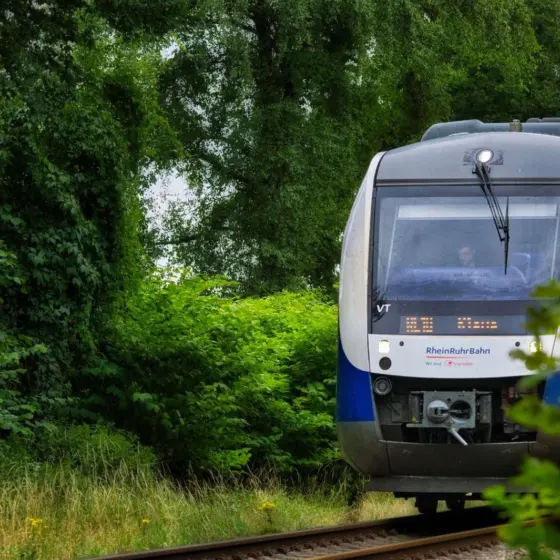
Public transport reaches nearly every town and village, according to Lonely Planet. It also warns that public transport across the Black Forest can be slow. The public transport baden-wuerttemberg page explains tickets and routes in more depth.
For flights, the Lonely Planet preview names Stuttgart Airport, Karlsruhe-Baden-Baden airport and Basel-Mulhouse EuroAirport as the airports serving the region. Airline routes change, so check the airports before you book. For journey planning, the preview points to www.efa-bw.de and www.bahn.de.
A simple sequence can keep travel days short. Treat it as a planning idea, not a fixed schedule:
- Start in Stuttgart for museums, food and an easy arrival.
- Head to the Black Forest for waterfalls, spas and hiking, with Baden-Baden or Freiburg as a base.
- Allow extra time for the connection south, since long trips may involve several changes.
- Finish at Lake Constance for the islands, villages and lakeside walks.
- Add Heidelberg, Tübingen or Ulm if you have days to spare.
Fewer, longer stays usually work better here than many one-night stops. The forest roads and slower regional links reward a relaxed pace.
Frequently asked questions
Which region should first-time visitors start with?
Show answer
The Come to Germany tourism page says the Black Forest and Lake Constance are already famous far beyond Germany’s borders. Many visitors start there and add a city such as Stuttgart, Heidelberg or Freiburg for variety.
Is public transport good enough without a car?
Show answer
Lonely Planet says trains, trams and buses serve almost every town and village. It also says transport across the Black Forest can be slow, and long trips such as Freiburg to Konstanz may involve several changes, so allow extra time.
When is the best time to visit?
Show answer
It depends on what you want. Lonely Planet describes snow on the heights from January to late February, hikes and festivals in summer, and golden autumn days from late September to October.
Can you ski in the Black Forest?
Show answer
The DJH page describes the Feldberg as a skiing paradise with 50 km of prepared slopes and several snow machines. Snow conditions vary, so check local reports before you travel.